
"We believe that gathering and analyzing this data longitudinally is key to establishing a foundation
to assess outstanding gaps and barriers, attempt to meaningfully address them, and quantitatively
evaluate the impact of policies and interventions aimed at improving access and support." - CanPhysCounts research team
Our Goals
We Can't Change What We Can't Measure
- Survey the physics community across Canada, in particular groups identified as being marginalized or historically underrepresented.
- Identify key barriers specific to different work environments and fields.
- Use the results to inform existing and new initiatives.
- Measure overall participation in physics.
- Track progress over time with future surveys.
CanPhysCounts Survey: Demographics Paper
Our first manuscript is published in Facets, a Canadian interdisciplinary open access science journal. The paper is publicly available to download and read for free.
CanPhysCounts Survey: Experiences Paper
The findings from the inaugural CanPhysCount survey will be published in two manuscripts, the first focused on demographics (see above), the second on experiences in physics (in progress).
Supplementary Materials
- All questions from the original survey (PDF), with branching structure shown, for which the results and analysis were covered in the first manuscript, primarily centred on demographics.
- CAP Congress 2021 Plenary Talk Presentation Slides (PDF): Slides feature new data on more detailed demographics and caregiving.
- CPC Preliminary Report (PDF, English Version): Preliminary data on survey participant demographics, published March 2021.
- CPC Données Préliminaires (PDF, Version Française): Rapport de données préliminaires sur ladémographie des participants del'enquête, publié Mars 2021.
- Participant quotes (PDF): This document shows a selection of positive quotes from survey participants, as a sample reflecting the overwhelmingly positive response from the community.
Frequently Asked Questions
Eligible study participants had to either (i) hold a physics degree and be working/residing in Canada; or (ii) be pursuing a physics degree at a Canadian institution.
The survey was conducted using the "snowball" method. An invitation to participate was sent out to members of the Canadian Association of Physicists, sister scientific societies, and every physics department in the country. All survey participants were encouraged to share the link with any other physicists and physics students they know.
We received over 3,000 responses. While not all of them were admissible, the large majority of them (n=2532) were fully completed and will be included in the final analysis.
The survey is fully confidential, the raw data will be stored at CAP/Dalhousie servers and not shared with any outside groups. Only those directly involved with analysis of the data will have access.
The survey is fully anonymous. All questions are voluntary, and responses will be reported in aggregate when there are fewer than 5 within any category in order to preserve anonymity, in accordance with guidelines in the Privacy Act. Emails provided at the end of the survey for entering a gift card draw and/or joining a mailing list for updates were stored in a separate database, and can not be traced back to survey responses.
The demographics results will be available in our publication in the open-access journal Facets within a few months, but in the meantime, you can view the results in our pre-print. Analysis of the experiences in physics part of the survey is largely complete and a second manuscript is in the works.
We hope to continue running this survey in future years in order to perform a longitudinal analysis and be able to assess the changing landscape and impact of new initiatives, and are continuing to apply for funding in order to support this project. If you have any suggestions, please reach out.
Yes, the survey design and questions were approved by the Dalhousie Research Ethics Board (File #2020-5261).
Sometimes our emails are flagged as spam, most commonly if you submitted a university email, since they are coming from a non-institutional address: canphyscounts@outlook.com. Please add this email address to your "safe sender" list.
Our Team
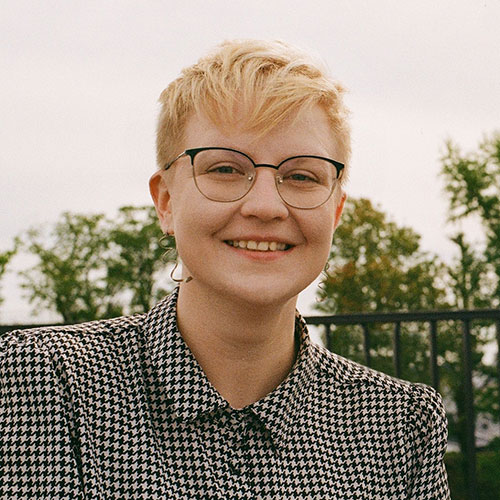
Anastasia Smolina
Survey Co-Lead
PhD Candidate, Medical Biophysics, University of Toronto
Guest Editor, Physics in Canada Magazine
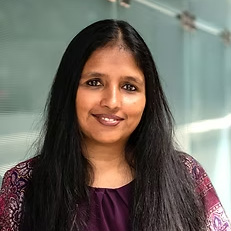
Dr. Shohini Ghose
Advisor, Laurier Centre for Women in Science Team Lead
Director, Laurier Centre for Women in Science
Professor, Physics and Computer Science, Wilfrid Laurier University
NSERC Chair for Women in Science and Engineering

Dr. Adrianna Tassone
Social Psychologist, Survey Data Analyst
Research Associate, Laurier Centre for Women in Science
PhD Student, Psychology, Wilfrid Laurier University
Dr. Alexander Jay
Social Psychologist, Survey Data Analyst
Research Associate, Laurier Centre for Women in Science
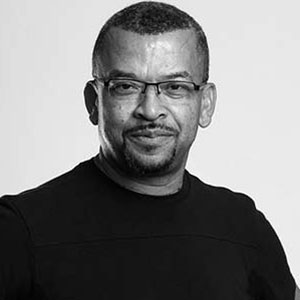
Dr. Kevin Hewitt
Survey Co-Lead
Professor, Physics and Atmospheric Science, Dalhousie University
Chair of the University Senate, Dalhousie University
Guest Editor, Physics in Canada Magazine
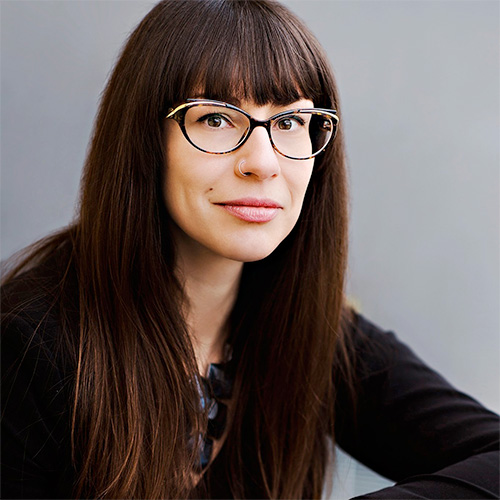
Dr. Eden Hennessey
Social Psychologist, Survey Analysis Lead
Research and Programs Director, Laurier Centre for Women in Science
Adjunct Faculty, Psychology, Wilfrid Laurier University

Skye Hennessey
Project Manager
Program Coordinator, Laurier Centre for Women in Science
Contact Us
If you have questions, want to join the team, interview us, or aid with financial support, contact us directly at canphyscounts@outlook.com.